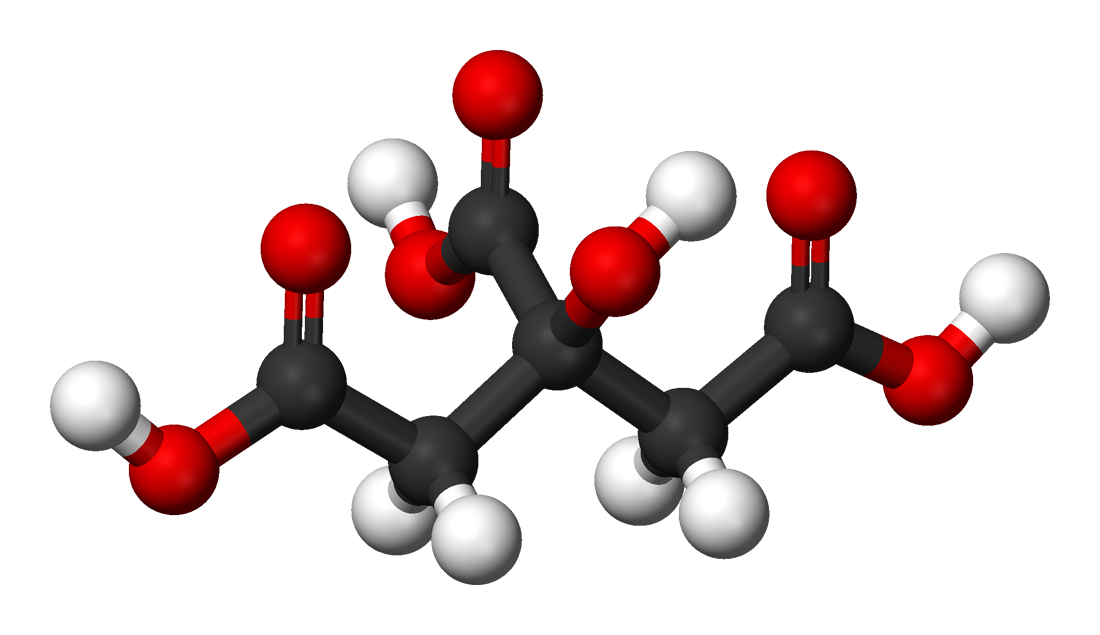
After I studied many different experiments of making a lemon or acid battery, I have picked out best parts of each method and put it together. I have also added additional steps to ensure that the questions of the experiment are answered and that the experiment is carried out with a minimization of errors. I have also chosen to use a pure zinc strip over zinc plated, because it is more pure. Some of the acids I have chosen to test are solely that acid, so I shall know whether that type of acid produces that. I am also going to test salt and sugar water because some of the substance I have tested have salt or sugar in it. I have included water as a control.
Hypothesis: The stronger the acid, the higher the reading will be on the multimeter. Also the stronger the acid, the thinner the copper and zinc after the experiment. None of the weak or non-acids will produce any light when attached to a lightbulb.
Aim: To investigate whether the stronger the acid the more electricity will be produced.
Equipment
- Vinegar
- Citric Acid (powder)
- Freshly squeezed, pulp free lemon juice
- Mineral water
- Coca Cola
- Tartaric Acid (powder)
- Tea
- Water
- Sugar Water (saturated solution)
- Salt Water (saturated solution)
- Cups
- Strips of Copper
- Strips of Zinc
- Digital calipers
- Stopwatch
- 1pH-12 pH paper
- 3.8-5.5 pH paper
- 1.5 volt lightbulb and socket or LED light bulb
- Wires
Method
1. Gather all equipment
2. Measure the thickness of the copper and zinc strip using the multimeter.
3. Record thickness in "table 1: Results"
4. Tape the copper strip to the inside of the cup, tape the zinc strip to the opposite inside of the cup.
5. Pour about 50mls of mineral water into the cup. If the test substance is solid, dilute it in a 1:4 ratio in water
6. Use the red wire on the multimeter to attach onto the zinc strip, use the yellow wire on the multimeter to attach to the copper strip
7. Turn on the multimeter
8. Set the multimeter at the voltage.
9. Observe the change on the LCD monitor
10. Record the result.
11. Remove the multimeter from the copper and zinc and turn it off
12. Dip a strip of (1-12)pH paper into the acid.
13. Observe the change in colour.
14. Match the colour to a similar colour on the pH colour chart
15. If the pH is between 3.8 and 5.5, use the 3.8-5.5 test paper and test again.
16. Record pH in "table 1: Results
17. Attach a light bulb by attaching on end of a wire to the copper and the other end to terminal of the light bulb and attach the other wire to the zinc and the other terminal on the light bulb
18. Observe to see if the light-bulb glows. If it glows, use a stopwatch to measure how long it glows for.
19. Record the all the results in "table 1: Results"
20. Cover the cup with a plate.
21. Leave the copper and zinc in the cup with the mineral water for 24 hours.
22. Measure the thickness of the copper and zinc using a multimeter.
23. Record the thickness in "table 1 : Results"
24. Repeat steps 2-23 with the citric acid, vinegar, lemon juice, mineral water, Coca Cola, Tartaric Acid, tea, water, sugar water and salt water
Results